
Cyberpunk 2077 – Complete Review
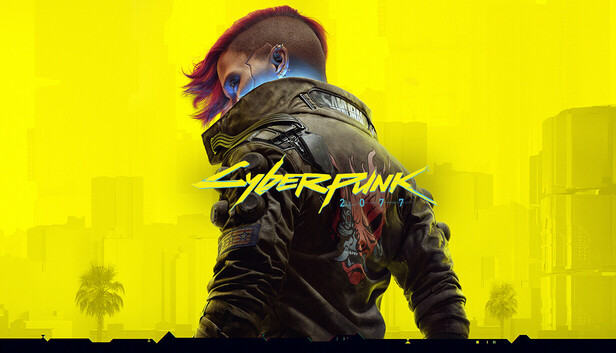
Cyberpunk 2077 is one of the most discussed video games of the modern era, not only because of its ambition, but because of the turbulent path it took to reach its current state. Developed by CD Projekt Red and released in December 2020, the game launched amid enormous expectations and equally enormous controversy. Years of patches, reworks, and the release of the Phantom Liberty expansion have fundamentally reshaped the experience. Today, Cyberpunk 2077 stands as a complex, ambitious role-playing game that finally reflects much of what it originally promised. More at Bros Games.
Development Background and Release History
CD Projekt Red entered Cyberpunk 2077 with immense goodwill following the success of The Witcher 3. Marketing positioned the game as a revolutionary open-world RPG set in a dense, living cyberpunk city. Upon release, however, severe technical issues—especially on PlayStation 4 and Xbox One—overshadowed its strengths. Bugs, performance problems, and missing features dominated the conversation.
Rather than abandoning the project, CD Projekt Red committed to long-term support. Over several years, the game received extensive updates that improved performance, reworked core systems, and expanded content. The 2.0 update and Phantom Liberty expansion marked a turning point, significantly altering gameplay mechanics, AI behavior, and progression systems. Cyberpunk 2077 today is effectively a different game from its launch version.
Setting and World Design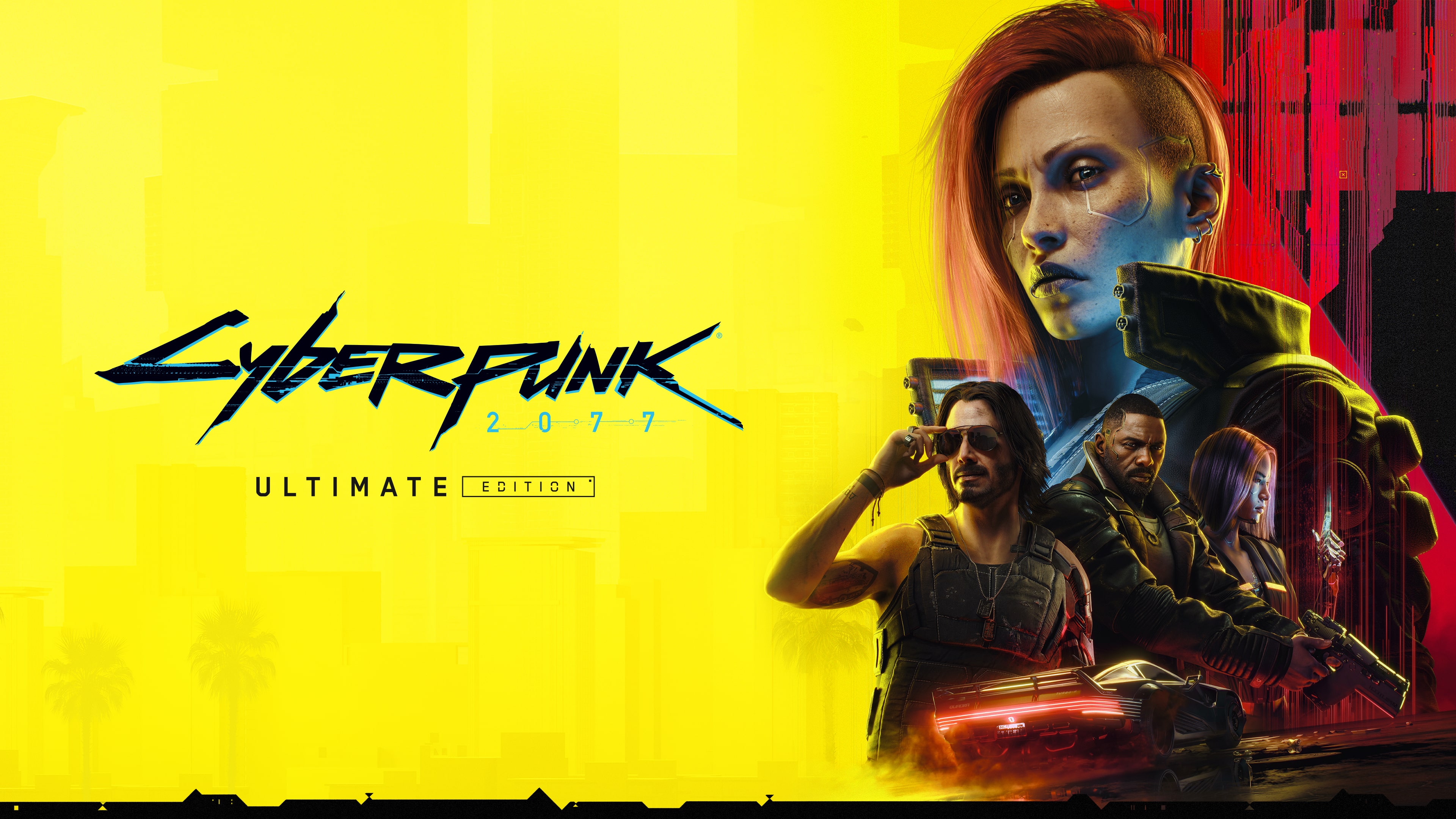
Cyberpunk 2077 is set in Night City, a sprawling metropolis located in the dystopian future of 2077. Night City is one of the most visually striking open worlds ever created. Neon-lit streets, towering megabuildings, and densely packed districts create a city that feels oppressive, seductive, and alive.
Each district has its own identity, shaped by corporate power, gang influence, and social inequality. Wealth and poverty coexist within meters of each other, reinforcing the game’s core themes of exploitation and survival. The city is not merely a backdrop; it is a character in its own right, constantly reminding players of the cost of unchecked technological advancement.
Exploration is encouraged through verticality and environmental detail. Rooftops, alleyways, and hidden interiors often contain side stories, loot, or narrative fragments that deepen immersion.
Story and Narrative Themes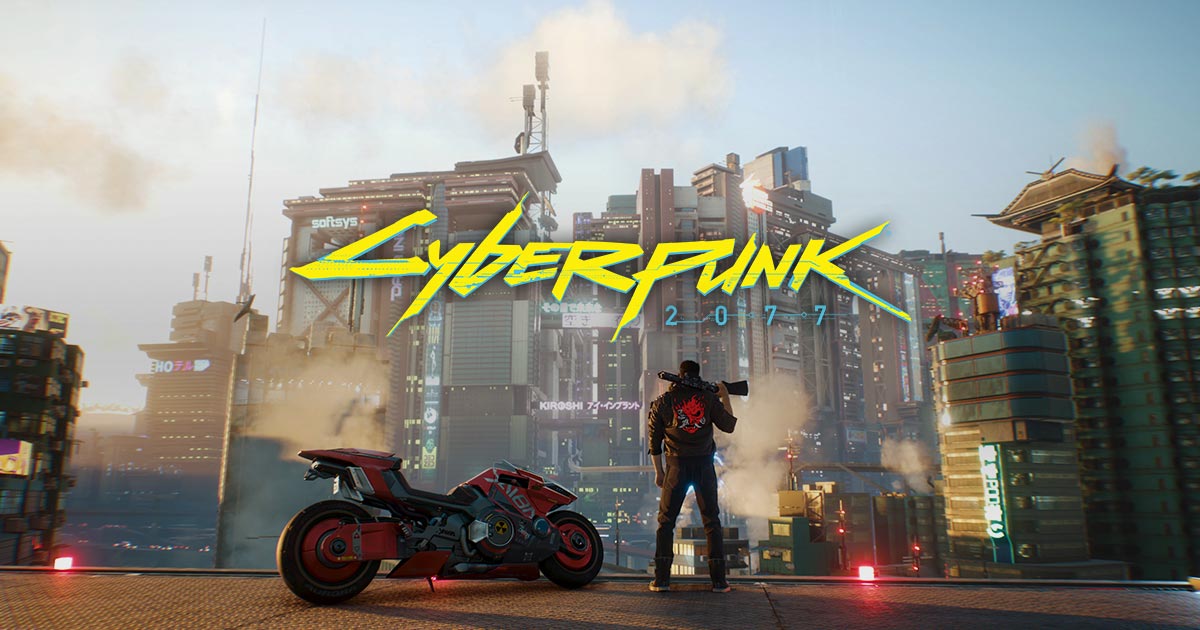
At the heart of Cyberpunk 2077 is a personal story about identity, mortality, and autonomy. Players assume the role of V, a mercenary whose life takes a drastic turn after a botched heist leaves them sharing their mind with a digital construct of Johnny Silverhand, a long-dead rocker and anti-corporate revolutionary portrayed by Keanu Reeves.
The relationship between V and Johnny is central to the narrative. Initially antagonistic, their dynamic evolves depending on player choices. Johnny is not a simple guide or villain; he is deeply flawed, charismatic, and often wrong. His presence constantly challenges the player’s decisions and beliefs.
The main story explores what it means to exist in a world where human consciousness can be digitized, sold, and erased. Themes of corporate control, rebellion, and personal agency run throughout the narrative. Side quests often rival the main story in emotional impact, tackling topics such as exploitation, addiction, loyalty, and sacrifice.
Gameplay and Core Mechanics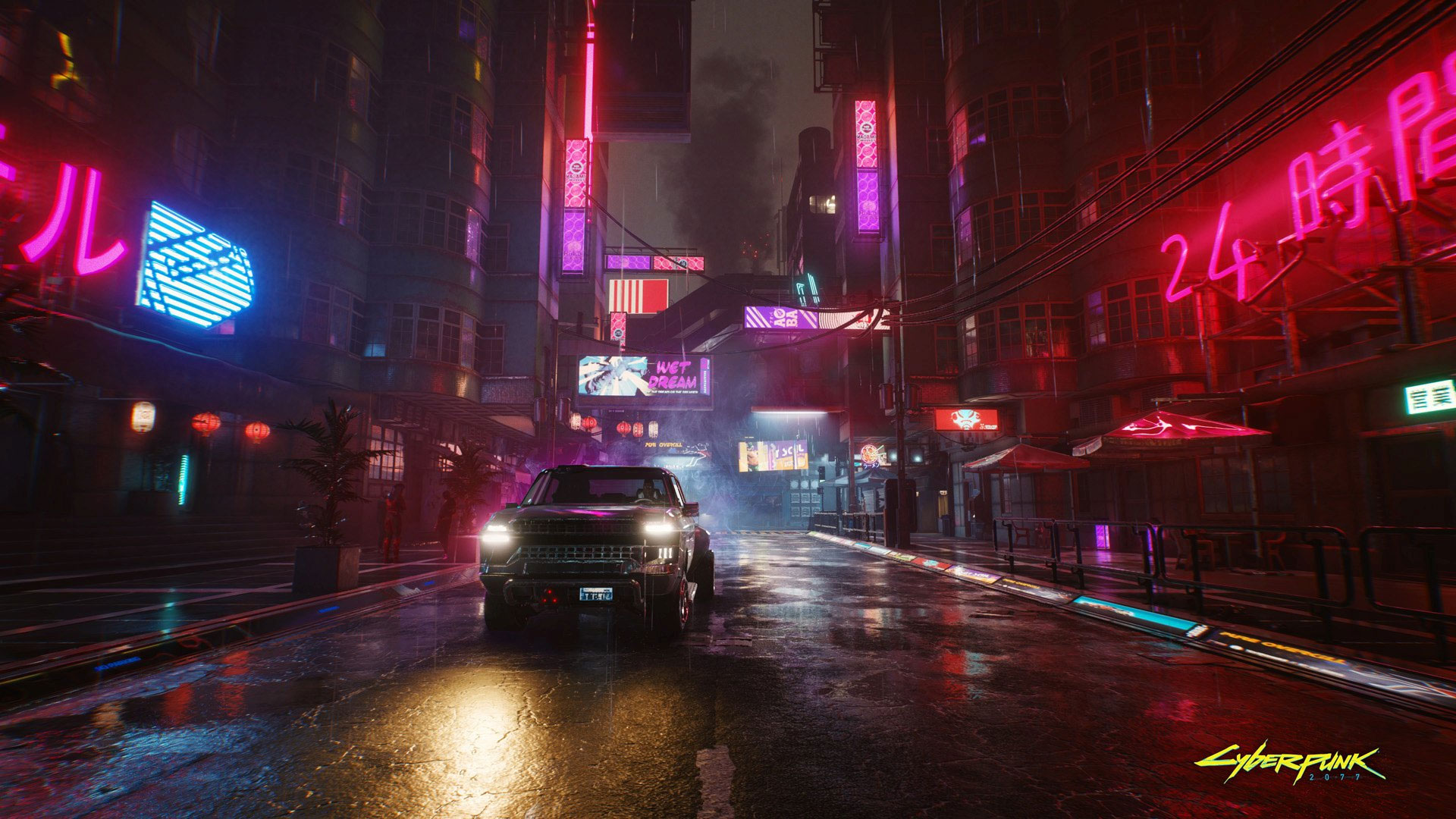
Cyberpunk 2077 blends first-person shooting with RPG systems. Combat allows for multiple playstyles, including gun-focused builds, stealth-based approaches, melee combat, and hacking-centric characters. The reworked perk and skill systems introduced in later updates significantly improved clarity and balance, making builds feel more distinct and rewarding.
Gunplay is weighty and responsive, particularly with modern controllers and keyboard setups. Weapons vary widely in function and feel, and iconic weapons offer unique effects that encourage experimentation. Melee combat, while less complex, is satisfying when paired with cybernetic enhancements.
Hacking, known as “quickhacking,” allows players to manipulate enemies and the environment in creative ways. Turning turrets against enemies, disabling cyberware, or spreading digital viruses adds a strategic layer to encounters.
Driving has also seen improvements. Vehicles handle better than at launch, though they still lean more toward arcade-style handling than realism.
Role-Playing Depth and Player Choice
While Cyberpunk 2077 is not as reactive as some classic RPGs, player choice still plays an important role. Dialogue options influence relationships, quest outcomes, and endings. Life paths—Nomad, Street Kid, and Corpo—provide different narrative perspectives, though their impact is strongest early in the game.
The game’s endings are particularly notable. Rather than offering a simple “good” or “bad” conclusion, Cyberpunk 2077 presents outcomes shaped by cumulative decisions, alliances, and personal values. These endings are emotionally resonant and thematically consistent with the game’s bleak worldview.
Graphics and Visual Presentation
On capable hardware, Cyberpunk 2077 is visually stunning. Advanced lighting, detailed textures, and dense urban environments create an immersive experience that few games can match. Ray tracing enhances reflections and global illumination, making Night City feel vibrant and oppressive at the same time.
Character models and facial animations are highly detailed, especially during story-driven moments. Clothing, cyberware, and weapon designs reflect the game’s cyberpunk aesthetic without feeling generic.
Performance varies depending on platform. Modern consoles and high-end PCs deliver smooth gameplay, while older hardware struggles. The game was ultimately redesigned with current-generation systems in mind, making those versions the definitive way to play.
Audio, Music, and Voice Acting
Sound design plays a crucial role in immersion. City noise, radio chatter, and environmental effects create a sense of constant motion. Weapons sound impactful, and cybernetic effects add a synthetic edge to combat.
The soundtrack is diverse, blending electronic, industrial, and rock influences. Licensed tracks and original compositions enhance both exploration and story moments. Radio stations reflect different subcultures within Night City, adding flavor and authenticity.
Voice acting is consistently strong. Performances from both the main cast and side characters add emotional weight and credibility to the narrative.
Game Modes and Content Structure
Cyberpunk 2077 is a single-player experience with no multiplayer modes. Content is divided between the main story, numerous side quests, gigs, and open-world activities. The Phantom Liberty expansion adds a substantial new area, storyline, and gameplay systems, further enriching the experience.
While the open world contains familiar activities, its strength lies in narrative-driven content rather than procedural repetition. The best moments often come from unexpected side quests that challenge player assumptions.
System Requirements (PC)
Minimum PC requirements include a modern quad-core CPU, 16 GB of RAM, and a mid-range GPU. Recommended settings benefit from powerful graphics cards, especially for ray tracing. An SSD is strongly recommended due to streaming and load times.
The game is demanding but scalable, with numerous options to adjust performance and visual fidelity.
Strengths and Weaknesses
Cyberpunk 2077’s strengths lie in its world-building, narrative depth, and atmosphere. Night City is unforgettable, and many of its characters leave a lasting impression.
Its weaknesses include uneven pacing and limited systemic reactivity compared to some RPG peers. While greatly improved, remnants of its troubled launch still influence public perception.
Verdict
Cyberpunk 2077 is a cautionary tale about hype, but also a rare example of redemption through persistence. In its current form, it delivers a rich, emotionally driven RPG experience set in one of the most striking worlds in gaming. It may never fully escape the shadow of its launch, but it no longer deserves to be defined by it.